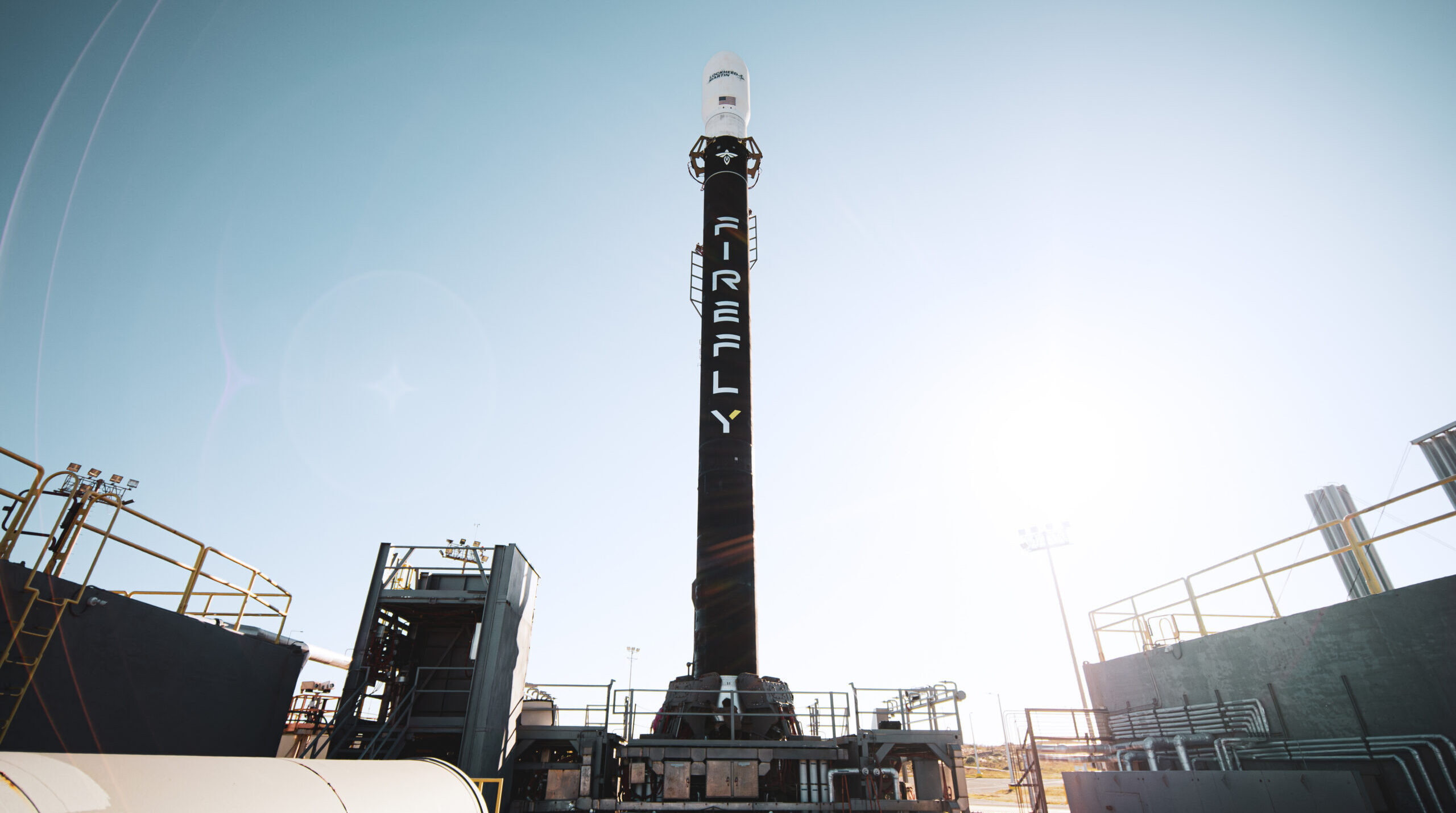
Firefly Aerospace is ambitiously ramping up production of its launch vehicles in response to growing demand for satellite deployments, yet faces challenges as the launch rate has not kept pace. As of August 2026, Firefly has seen interest in its Alpha and upcoming Eclipse launch vehicles from commercial and government sectors, with production reaching an all-time high.
Current Production Efforts
According to CEO Jason Kim, Firefly Aerospace has made significant strides in production capabilities. "We have so much hardware on the floor. The production is at an all-time high, so that gives us really, really high confidence that we’re going to continue to pump out Alphas at a rate," he stated in a recent earnings call.
Launch History and Current Challenges
The Firefly Alpha, designed to carry payloads of up to one ton to low Earth orbit, has encountered a mixed success rate since its inaugural flight in September 2021. To date, the Alpha vehicle has launched a total of seven times, with its most recent launch occurring in March 2026 following a return-to-flight after a malfunction in April 2025. The following table summarizes the launch history:
| Launch Date | Status | Remarks |
|---|---|---|
| September 3, 2021 | Unsuccessful | Engine failure during ascent |
| October 1, 2022 | Successful | First successful orbital launch |
| September 15, 2023 | Successful | First record responsive launch |
| March 11, 2026 | Successful | Return-to-flight mission |
Technological Developments
Meanwhile, Firefly is actively working on the Eclipse vehicle in collaboration with Northrop Grumman to expand their launch capabilities further. The Eclipse vehicle is anticipated to respond to the increasing demands from both commercial and governmental markets.
Financial Results and Future Outlook
Firefly’s recent financial disclosures indicate that the company experienced record revenue of approximately $117.7 million in Q2 2026, marking a remarkable 659% increase year-over-year. This significant financial growth supports enhanced production capabilities and ongoing research and development for various projects, including NASA’s lunar missions.
Launch Agreements
The company has also extended its multi-launch agreement with Lockheed Martin through 2031. This new contract is essential as it supports up to 25 launches using the upgraded Alpha Block II configuration, thereby further establishing Firefly’s position in the burgeoning small satellite launch market.
Conclusion
While Firefly Aerospace demonstrates a strong inclination towards ramping up its production capabilities, maintaining an efficient launch cadence proves to be strategically vital for its ongoing engagement in the competitive launch market.
Authoritative Sources
For more information regarding Firefly’s activities, refer to the following sources:
- Firefly increases vehicle production even as launches lag: Firefly Aerospace's CEO discusses strong interest in Alpha and Eclipse vehicles, yet with slow launch rates.
- Firefly Aerospace Announces Extension of Multi-Launch Agreement with Lockheed Martin: Extended partnership utilizing the Alpha Block II configuration for 25 launches.
- Firefly Aerospace Q2 2026 Earnings Report: Firefly's financial results show a significant increase in revenue and ongoing contracts.
- Firefly Aerospace pushes debut of Alpha Block 2 rocket: Details on Firefly's upcoming vehicle updates following previous launch challenges.