Human space exploration has always been a topic of great interest and debate in scientific and public domains. With the recent discussions surrounding the potential return to the Moon, it becomes imperative to assess the various facets of this endeavor. The following article delves deep into the question of whether returning to the Moon is worth the investment, taking into account scientific, economic, and philosophical perspectives.
The Historical Context of Lunar Exploration
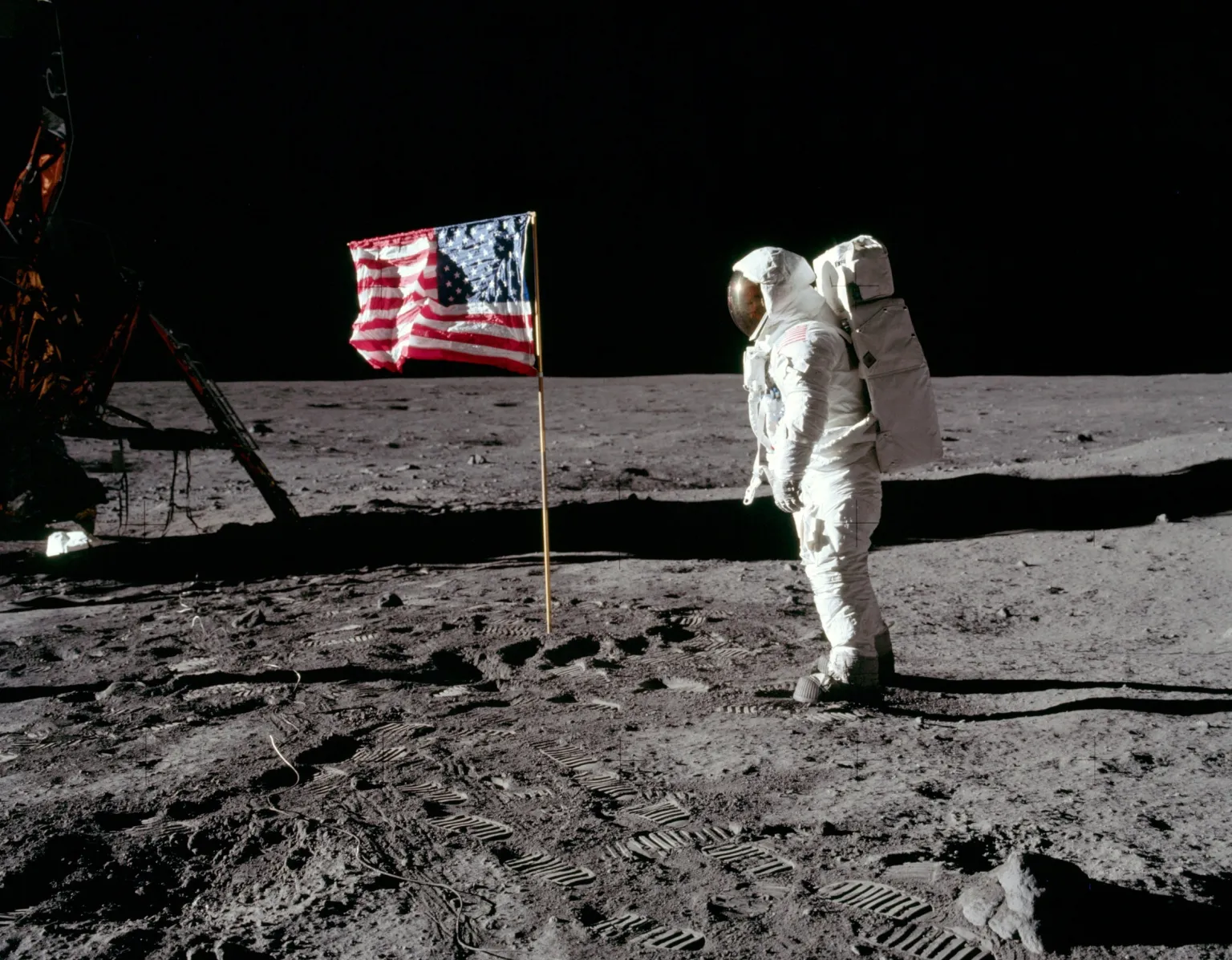
To appreciate the significance of returning to the Moon, it is essential to understand the achievements of the Apollo missions in the late 1960s and early 1970s. On July 20, 1969, Neil Armstrong and Buzz Aldrin made history as the first humans to set foot on the lunar surface during the Apollo 11 mission. This milestone marked the culmination of an era characterized by scientific ambition and political will.
Key Achievements of Apollo Program
| Mission | Date | Notable Achievements |
|---|---|---|
| Apollo 11 | July 1969 | First crewed landing on the Moon |
| Apollo 12 | November 1969 | Second crewed landing on the Moon; detailed survey of lunar surface |
| Apollo 15 | July 1971 | First use of the Lunar Roving Vehicle (LRV) |
| Apollo 16 | April 1972 | Survey of the highlands of the Moon |
| Apollo 17 | December 1972 | Last crewed mission; longest duration on lunar surface |
These missions not only put humans on the Moon but also provided vast amounts of data that have shaped our understanding of the lunar environment and its potential. The scientific output from these missions has been significant, leading to nearly 3,000 scientific papers generated from lunar research alone.
Scientific Benefits of a Return
The primary argument against sending humans to the Moon often rests on the advent of advanced robotics, which allows for remote exploration without the risks associated with human crews. However, there are numerous scientific benefits to returning human explorers to the Moon:
Human Capability vs. Robotics
While robotic missions have made remarkable contributions to space exploration, they still lack the adaptability, problem-solving skills, and efficiency that humans can bring to the exploration process. For example:
- Real-time Problem-Solving: Humans can assess situations and make decisions on the ground, reducing the time required for communications with Earth.
- Flexibility: Human researchers can shift their focus based on unexpected discoveries, capturing scientifically relevant data that robots might miss.
- Physical Dexterity: The physical capabilities of humans allow for a wider range of scientific activities, such as sampling and analysis of materials.
The speed at which humans can accomplish tasks shows a notable disparity when compared to the operational capabilities of robotic exploration. This efficiency is especially vital for time-sensitive scientific inquiries.
Accessibility of Resources on the Moon
The Moon is not just a destination but also a potential resource hub. Lunar exploration can help identify and utilize vital resources, including:
- Water Ice: Located in permanently shadowed craters, lunar water is crucial for sustaining human presence and as a resource for fuel.
- Helium-3: A potential fuel for future fusion reactors, helium-3 could pave the way for clean, sustainable energy sources.
- Rare Earth Elements: The Moon may serve as a source for materials that are increasingly scarce on Earth, allowing for a new economic frontier in space.
Economic Perspectives
Critics of lunar missions often point to the exorbitant costs of human spaceflight as an argument against such investments. However, understanding the economic implications is critical:
The Cost of Crewed Missions
Indeed, sending humans to the Moon can be significantly more expensive than robotic missions, with estimates suggesting that a manned lunar landing could cost anywhere from $20 billion to $70 billion. This is compounded by logistical challenges associated with crewed missions. Yet, the returns on these investments can be profound:
| Type of Mission | Estimated Cost (USD) | Potential Scientific Output |
|---|---|---|
| Robotic Mission | $5 billion | Approx. 100 scientific papers |
| Crewed Mission | $50 billion | Approx. 3,000 scientific papers |
The disparity in scientific output per dollar spent is staggering, highlighting the advantages of crewed missions.
Investment in Technology and Industry
The technology developed for lunar missions can have far-reaching benefits that extend to various industries on Earth. Innovations such as advanced robotics, materials science, and life support systems have historical precedents in space research that have contributed to sectors such as:
- Telecommunications: Expanded communication technologies derive from space applications.
- Medicine: Techniques in telemedicine and remote sensing were honed through space programs.
- Environmental Monitoring: Space technologies can improve climate modeling and disaster response.
Philosophical Perspectives on Exploration
The debate surrounding lunar missions also encompasses philosophical dimensions, igniting conversations about humanity's role in the universe:
The Human Spirit of Exploration
Human beings possess a fundamental desire to explore the unknown. Historical evidence illustrates our tendency to venture into new territories, whether discovering new continents or exploring the depths of the oceans. Reasons for exploration include:
- Curiosity: Embarking on new journeys satisfies an intrinsic human desire to learn and discover.
- Legacy: Leaving a mark on history by achieving what was once thought impossible encourages further progress and innovation.
- Unity: Collaborative efforts in exploration can foster a sense of global community and shared purpose.
Building Future Communities on the Moon
Looking towards the future, the Moon holds the potential for long-term human settlements. Although human habitation on the lunar surface may appear speculative at the moment, advancements in technology could make it feasible. Concepts such as:
- Lunar Habitats: Building infrastructure to support human life, such as habitats with life support systems.
- Lunar Farms: Growing crops in controlled environments to sustain a human presence.
- Scientific Bases: Establishing research stations to conduct ongoing scientific studies.
Challenges Ahead
While the prospects of lunar exploration are exciting, several challenges remain on the path to achieving human presence on the Moon:
- Technological Hurdles: Developing new technologies capable of supporting life and conducting research in lunar conditions.
- Funding: Securing sustained financial investment from space agencies and private entities.
- International Collaboration: Establishing cooperation among nations with varying agendas and goals in space exploration.
Conclusion
Returning to the Moon is not merely a matter of science and technology; it represents the next step in human exploration, resource utilization, and economic growth. Advancements gained from lunar missions have the potential to foster innovation on Earth and help shape the future of humanity in space. With our historical legacy and current technologies, the time has come to renew our commitment to the Moon.
For More Information
References
The content above is primarily derived from an extensive synthesis of previous lunar mission data, economic studies pertaining to space exploration, and philosophical discourse on human exploration.

