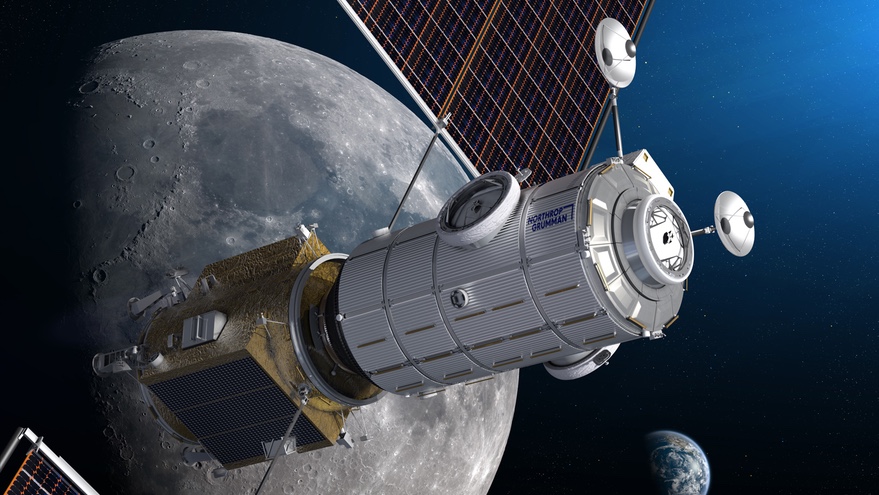
In a dramatic turn of events, Paragon Space Development Corporation has announced significant workforce reductions following NASA’s cancellation of the Lunar Gateway program. This decision reflects a broader shift in NASA's lunar exploration strategy and has direct implications for the commercial space sector, particularly for subcontractors involved in these ambitious projects.
Background on the Lunar Gateway Program
The Lunar Gateway was initially conceived to serve a pivotal role in supporting NASA's Artemis missions. It was intended to be an essential outpost located in a near-rectilinear halo orbit around the Moon. The Gateway was designed to facilitate crewed lunar landings, provide logistical support, and foster international collaboration in lunar exploration.
However, during its long-awaited Ignition event in March 2026, NASA announced an indefinite suspension of the Lunar Gateway program. This unexpected decision marked a significant pivot towards establishing a more sustainable lunar base, thereby deprioritizing the orbital infrastructure provided by the Gateway.
The Role of Paragon in the Lunar Gateway
As a key subcontractor for the Lunar Gateway, Paragon was responsible for developing life support systems for the Gateway's Habitation and Logistics Outpost (HALO) module. The termination of their contract by Northrop Grumman, the prime contractor of HALO, directly triggered the layoffs. Paragon's President and CEO, Mark Greeley, expressed the company's commitment to its employees while confirming the difficult nature of the layoffs. He stated, "Our workforce reduction is one of the most difficult decisions in Paragon’s 33-year history, affecting people who have given this company and this industry their best work."
Despite the organizational shakeup, Paragon has retained its intellectual property rights regarding the life support technologies it had developed.
What Led to the Cancellation?
The decision to cancel the Lunar Gateway program seems to stem from several critical factors, including:
- Escalating project costs coupled with a reallocation of budget priorities.
- The decision to prioritize the establishment of a permanent lunar base over the Gateway's orbital infrastructure.
- Concerns regarding the complexity and energy requirements associated with operating the Gateway.
Future Prospects for Paragon
In light of the workforce reductions, Paragon remains active in the space sector. The company is currently exploring ways to repurpose the technologies and capabilities that were initially developed for the Lunar Gateway and apply them to other upcoming projects in the field of space exploration.
Key Players Involved
The cancellation of the Lunar Gateway program also impacts other stakeholders involved, including:
- Northrop Grumman: The primary contractor tasked with developing the HALO module.
- Thales Alenia Space: Responsible for various module developments, including HALO.
- Maxar Technologies: Developed the Power and Propulsion Element of the Gateway, which may now be evaluated for different applications.
- SpaceX: Selected for providing cargo transportation services to the now-canceled Lunar Gateway.
Conclusion
The cancellation of the Lunar Gateway program symbolizes a significant shift in NASA's strategic priorities within lunar exploration. For Paragon Space Development Corporation, this transition necessitates a hard look at workforce deployment and a potential reorientation of their operational focus. The unpredictable nature of commercial space endeavors illustrates both the challenges and opportunities that lie ahead.
References
- SpaceNews: Paragon Lays Off Staff After Gateway Cancellation - A report on the layoffs resulting from NASA's decision.
- Paragon Space Development Corporation - The official website of Paragon showcasing their mission and projects.
- NASA Awards Artemis Contract for Lunar Gateway Power, Propulsion - Details regarding NASA’s contracts related to the Lunar Gateway.
- Nova: The End of Gateway - Analysis of the implications following NASA's cancellation of the Lunar Gateway program.