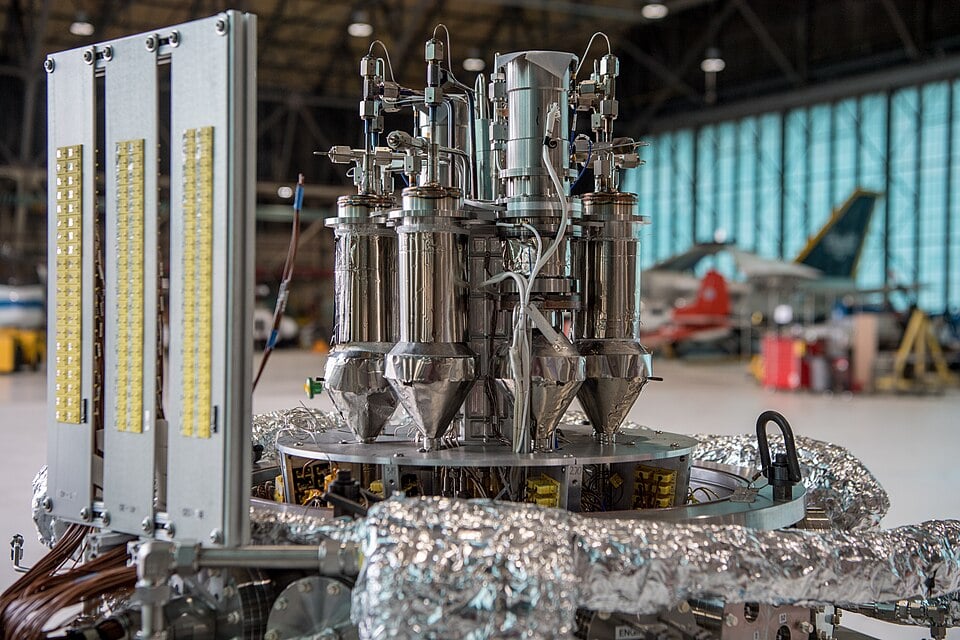
Recent advances in space exploration have spurred discussions on the viability and energy requirements of orbital data centers. A notable viewpoint is presented by Dr. Slava Turyshev from NASA's Jet Propulsion Laboratory, who articulates critical considerations regarding the energy sources for these centers. The central question surrounds the suitability of solar panels versus nuclear reactors in providing sustainable power in space.
The Challenges of Solar Energy in Orbital Data Centers
Solar panels have traditionally been viewed as a viable power generation method for orbital applications, given the abundant sunlight available in space. However, Dr. Turyshev highlights several intrinsic limitations associated with solar energy for data centers in orbit:
- Efficiency Limitations: Solar panels exhibit efficiency rates that do not significantly surpass those seen on Earth and tend to degrade over time due to exposure to environmental factors such as cosmic radiation.
- Weight Concerns: The high mass of solar panels necessary for effective power generation adds to the launch costs and creates design complexities for mission planners.
- Nuclear Alternatives: The potential of nuclear energy solutions poses a promising alternative because of their high energy density and lower mass output for required power.
Nuclear Energy Viability
The exploration of nuclear power systems, including radioisotope thermoelectric generators (RTGs) and emerging nuclear fission reactors, presents significant advantages for orbital data centers. These systems can generate ample energy indefinitely without reliance on solar input. Key aspects include:
- Space Reactor-1 Freedom: This planned mission set for 2028 aims to utilize nuclear power for propulsion toward Mars, highlighting the robust capabilities of nuclear electric propulsion.
- Cost-Effectiveness: While the initial costs of launching nuclear systems may appear high, the long-term operational benefits and reduced mass needs could justify these investments.
Research by Dr. Slava Turyshev
Dr. Turyshev’s research specifically revolves around the strategic design, implementation, and operational maintenance of orbital data centers. His insights cover:
- Photovoltaic Generation: Optimizing the configurations of solar panels, taking into consideration eclipse recharge durations and thermal management, is essential for maximizing energy supply.
- Orbital Replacement Units (ORUs): Designing data centers requires a focus on hardware replacement strategies to mitigate technology degradation due to the harsh conditions of space.
Future Directions and Conclusions
Integrating both solar and nuclear energy sources may represent a pivotal advancement for the future of space exploration. As innovative technologies are developed, the feasibility of orbital data centers powered by a blend of these energy modalities promises enhanced operational reliability and sustainability for upcoming missions.
References
- Should Space Data Centers Run on Solar Panels, Nuclear Reactors, or Both?: An exploration of energy sources for orbital data centers.
- NASA JPL News: Information on the research and contributions of Dr. Slava Turyshev.
- NASA Nuclear Systems: Overview of NASA's initiatives in nuclear technology for space applications.
Image Reference
To visually support the ongoing discussion regarding the potential of multiple energy sources for space data centers, refer to the above articles for relevant illustrations and figures.