The United States Space Force (USSF) has recently expanded its operational capacity by establishing dedicated cybersecurity teams at its primary launch sites, aiming to enhance the security of rocket launches against cyber threats. This initiative reflects a growing recognition of the need to protect space launch operations not only from physical sabotage but also from potential malicious cyber intrusions that could disrupt critical systems.
The Growing Need for Cybersecurity in Space Operations
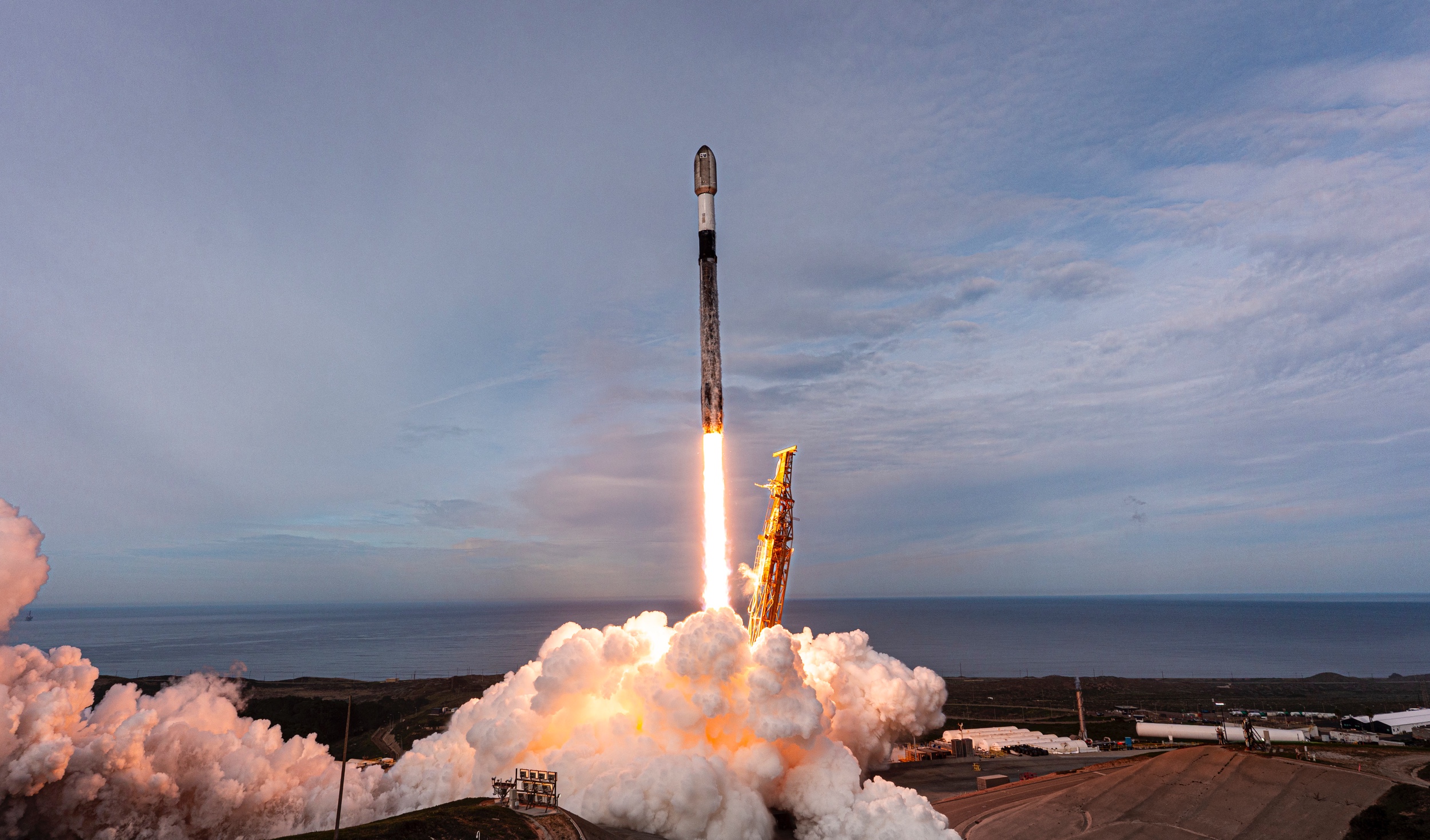
The decision to deploy these units comes as part of an overarching strategy to secure America's growing dependence on space-based capabilities for military operations, communications, and national security. The importance of being prepared for cyber threats has become more evident with the increasing sophistication of adversaries who may seek to exploit vulnerabilities within the technological infrastructure supporting rocket launches. These teams will closely monitor all digital activities and network traffic during launch operations at both Cape Canaveral Space Force Station in Florida and Vandenberg Space Force Base in California.
According to the Space Systems Command, which oversees the U.S. military’s launch ranges, the two new Defensive Cyber Operations Squadrons are tasked with detecting any attempts at cyber interference during rocket launches. Their ultimate objective is to safeguard the nation's launch capabilities from cyber attacks which could delay or sabotage missions.
Operational Dynamics: The Role of Cyber Squadrons
The teams responsible for cybersecurity will be embedded within operations, providing real-time monitoring and analysis of network activities. Their role will include examining command links, telemetry streams, and ground communications to identify unusual patterns that may suggest a technical fault or possible cyber intrusion.
| Location | Unit | Main Responsibility |
|---|---|---|
| Cape Canaveral Space Force Station | 630 Cyberspace Squadron | Monitor and secure launch operations against cyber threats |
| Vandenberg Space Force Base | 645 Cyberspace Squadron | Provide proactive cybersecurity measures for launch activities |
Importance of Cyber Defense in Modern Launch Operations
The modern launch ecosystem comprises interconnected systems that manage various operational facets, including radar, telemetry antennas, flight termination systems, and fuel controls. Each of these components represents a potential target for cyber attacks. With enhanced reliance on technology for mission success, the need for cybersecurity has shifted from being a supplementary function to a core element of operational design. As Lt. Col. John Quinn, the commander of the 645 Cyberspace Squadron, stated, "We’ve had to increase our security protection against a host of potential cyber attacks."
The Cyber Threat Landscape
The threats targeting launch operations are diverse and evolving. They range from attempts to gain unauthorized access to critical systems to sophisticated schemes designed to manipulate communication channels or disrupt data signals.
- Unauthorized Access: Attacks that aim to breach the security perimeter of launch infrastructure.
- Data Manipulation: Methods aimed at altering critical information being transmitted during launch processes.
- Disruption of Communications: Targeted approaches that isolate operational technology from command centers, affecting overall mission strategy.
The Operational Framework: How It Works
The situational awareness provided by the cybersecurity teams is vital for distinguishing between technical faults and cyber intrusions. The tight scripting of launch operations allows for quick identification of anomalies that could signal a cyber attack. These operators will be critical in maintaining and ensuring the integrity of launch operations.
| Monitoring Focus | Details |
|---|---|
| Command Links | Monitoring for unauthorized access attempts or anomalies during operational exchanges. |
| Telemetry Streams | Ensuring data integrity and the security of incoming telemetry from the launch vehicle. |
| Ground Communications | Protecting communication links among all operational units involved in launch processes. |
Conclusion: A New Era of Space Security
The establishment of these Defensive Cyber Operations Squadrons signifies a transformative approach in how the U.S. Space Force secures its launch operations. By adopting cybersecurity as an integral aspect of launch preparation and execution, the Space Force is advancing its readiness against conventional and unconventional threats. This shift will undoubtedly create a more robust framework for ensuring the safety and success of U.S. military and civilian space endeavors.
Further Reading
- US Space Force Accelerates Cybersecurity Initiatives
- Space Force Implements Cyber Training Program
- Cybersecurity Priorities in Space Military Initiatives
For more insights on space security and innovations in military launch operations, visit SpaceNews.