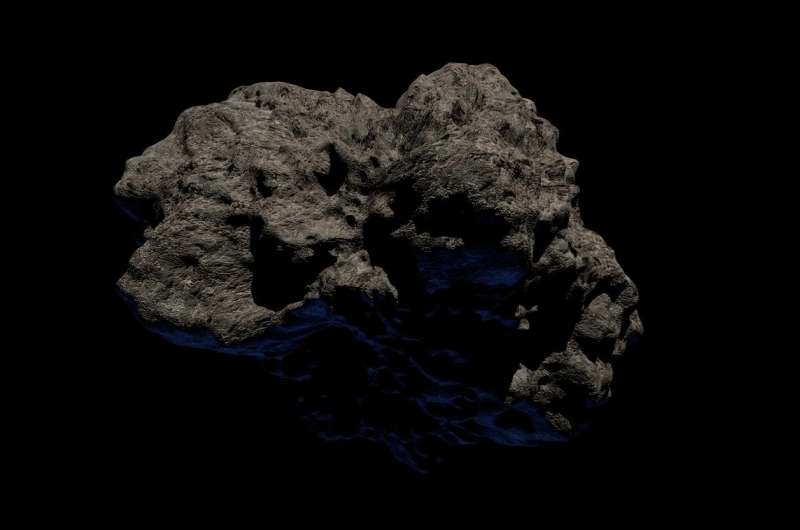
A large asteroid that will zoom harmlessly past Earth on Saturday will be visible to stargazers using a small telescope or large binoculars, the European Space Agency announced Wednesday.
Asteroid Flyby Details
The asteroid, categorized as (152637) 1997 NC1, is expected to come within 2,560,000 kilometers (1,590,000 miles) of Earth at 11:14 GMT on Saturday. This distance is more than six times the distance between the Earth and the Moon, ensuring it poses no threat to our planet.
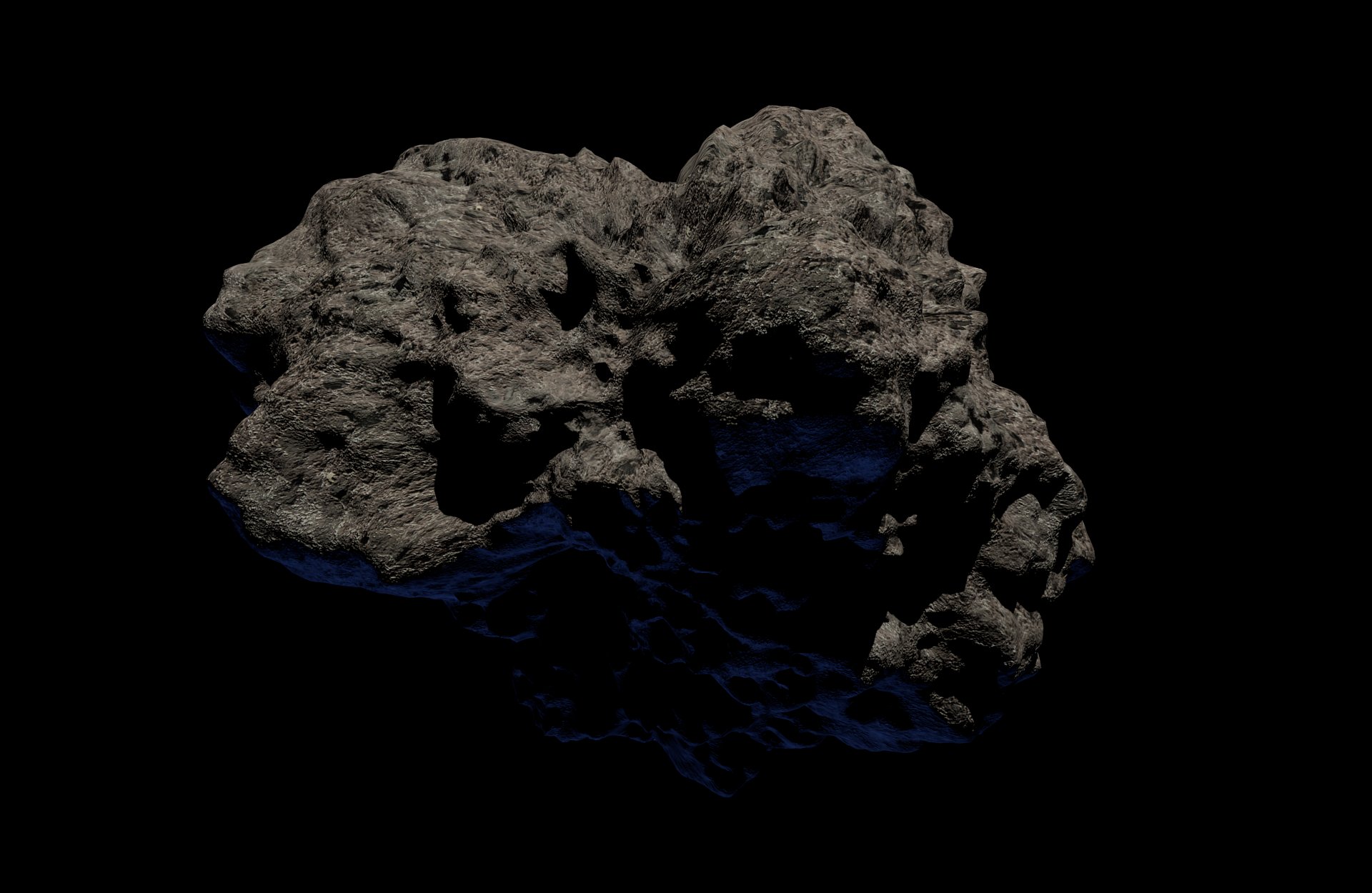
With a speed of nearly 9 kilometers (5.6 miles) per second, this asteroid is a considerable celestial object, estimated to be between 750 and 1,650 meters (820 to 1,800 yards) in width. These calculations are based on how much sunlight the asteroid reflects; however, there are varying estimates regarding its actual size.
Observation Opportunities
According to Juan Luis Cano of the ESA's Planetary Defense Office, “A close approach to Earth by an object this size only occurs every few years.” However, the visibility opportunity might be hindered due to the presence of a brightly lit nearby Moon during its closest approach. Stargazers in the Northern Hemisphere can watch for the asteroid as it approaches, while those in the Southern Hemisphere may only see it as it departs.
Impact of Asteroids on Earth
While the asteroid in question poses no threat, understanding the dynamics of near-Earth objects remains crucial for planetary defense initiatives. Historically, asteroids have had significant impacts on Earth, leading to the extinction of species and shaping the planet's geological features.
| Type of Impact | Impact Description | Examples |
|---|---|---|
| Craters | Large impacts create craters, affecting local topography. | Chicxulub Crater |
| Extinctions | Impacts can lead to mass extinctions, altering creature populations significantly. | Permian-Triassic Extinction |
| Climate Changes | Dust and debris from impacts can block sunlight, cooling the planet. | Tunguska Event |
Public Interest and Stargazing Events
Public interest in asteroids has surged in recent years, particularly with the advancement of telescopic technology and the accessibility of astronomy through mobile applications. Organizations like the Planetary Society promote awareness of the wonders of space.
Preparation for Stargazing
Stargazers who wish to observe the asteroid are encouraged to plan ahead for optimal viewing conditions. Factors affecting visibility include:
- Location: Choose a dark area away from city lights.
- Weather: Clear skies are essential for visibility.
- Equipment: Small telescopes or large binoculars are recommended.
- Timing: Observe during the specified time window for the closest approach.
Future Asteroid Events
In the coming years, several other notable asteroid flybys will occur. Tracking these events is vital not only for astronomy enthusiasts but also for advancing our understanding of potential threats to Earth.
Conclusion
The impending flyby of asteroid (152637) 1997 NC1 presents a fantastic opportunity for astronomers and the general public alike. Engaging with science and astronomy continues to bridge the gap between knowledge and enjoyment, making it an essential part of our understanding of the universe.
For More Information
For additional details on upcoming asteroid flybys and other events in space, visit the following resources: